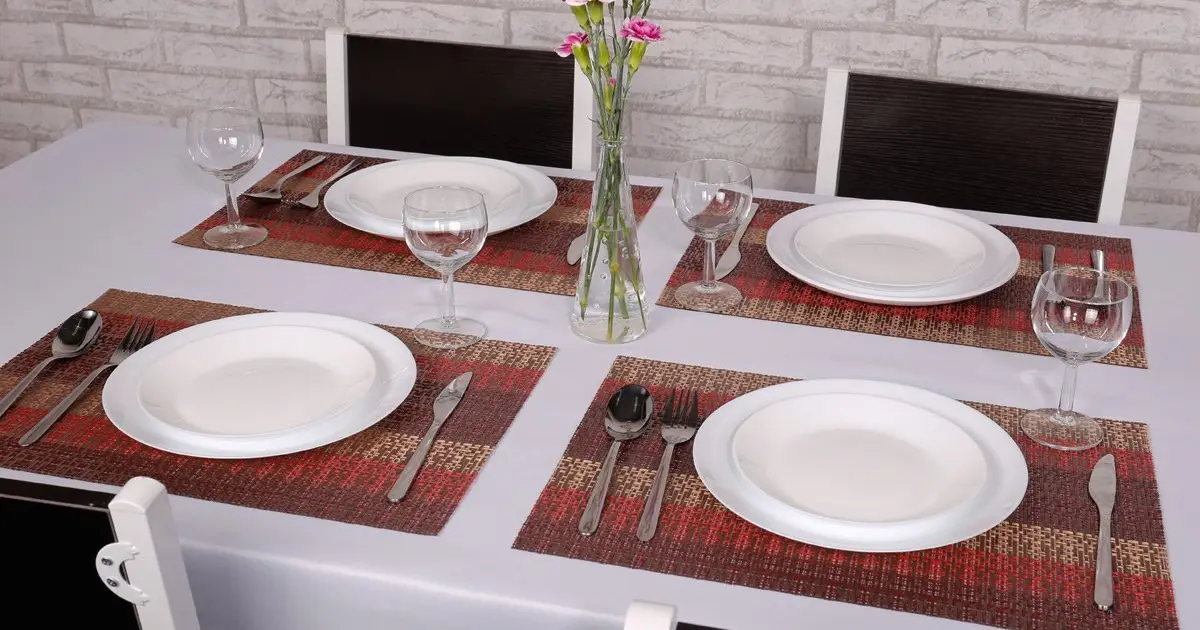
PVC Placemats vs Silicone Placemats: Durability, Cost and Cleaning Comparison for Bulk Buyers 2026
For
bulk buyers in 2026,
PVC placemats vs silicone placemats comes down to upfront savings versus long-term ROI.
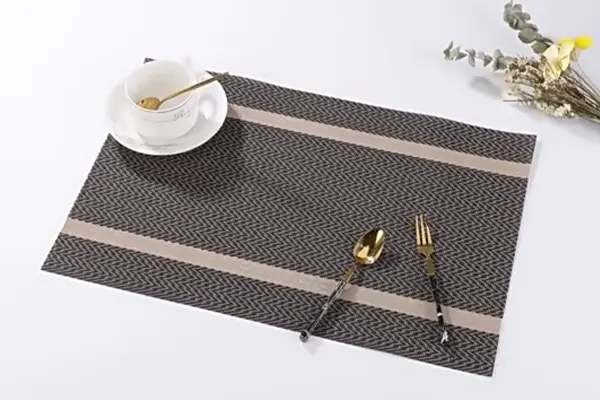
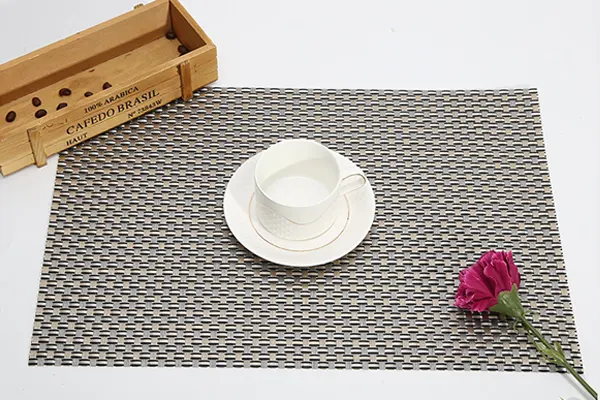
Commercial PVC placemats bulk orders offer scalability at $0.50–$1.20 per unit, ideal for budget-driven restaurants and catering. Meanwhile,
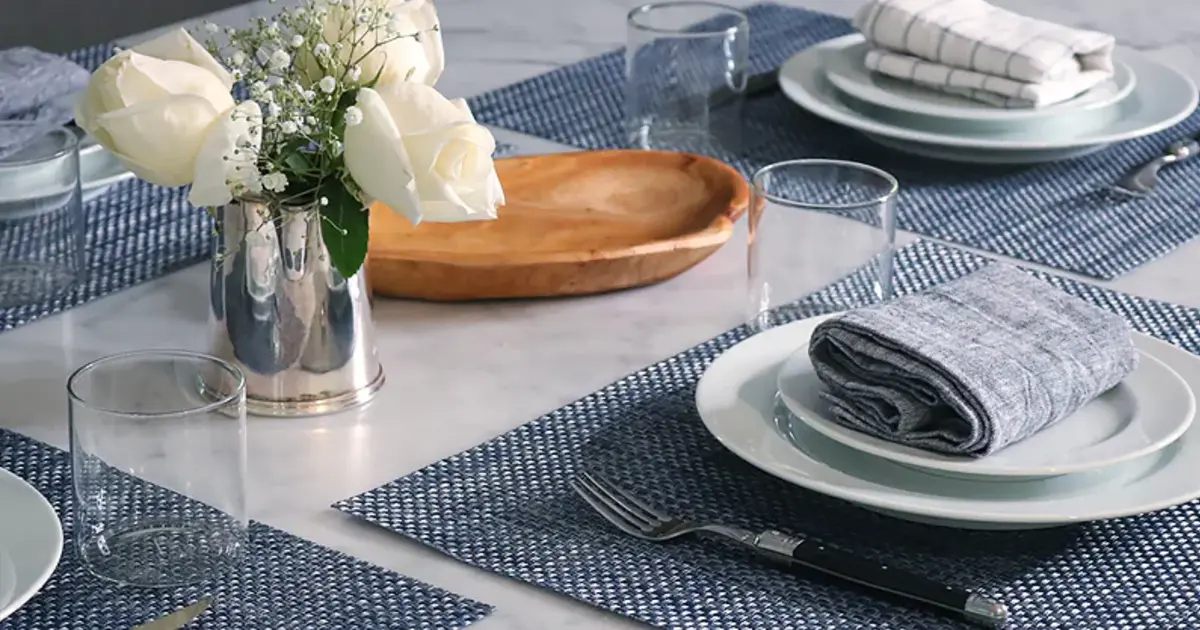
silicone placemats wholesale for restaurants provide superior heat resistance up to 450°F and 4–5 year lifespans, reducing replacements in high-heat environments.
This guide compares
durability, cost, and cleaning with a TCO model, procurement checklist, and supplier testing requirements—helping B2B buyers optimize
heat-resistant placemats bulk and
dishwasher-safe silicone placemats bulk for busy dining.

Understanding PVC Placemats for Bulk Commercial Use
Key Features of Food-Contact Grade PVC Placemats
Food-contact grade PVC (polyvinyl chloride, compliant with
FDA 21 CFR 177.1520/177.1630) offers rigid structure, waterproofing, and vibrant printability via screen or digital UV methods. Typical thicknesses range 0.5–1.5mm with heat-sealed edges, resisting stains from oils, sauces, and red wine when cleaned with isopropyl or surfactant-based solutions.
For
bulk buyers, rigid unplasticized PVC prioritizes scratch resistance, while flexible plasticized versions enhance printability—always verify phthalate-free certification for direct food contact.
Durability Strengths in High-Traffic Settings
Per
ASTM D2240 hardness testing, PVC withstands daily wear with reinforced edges preventing tears (ASTM D624 tear strength). Typical lifespan: 1.5–3 years in commercial use, depending on UV exposure and cleaning—independent lab tests show 20–30% less fading with UV-stabilized formulations. Confirm supplier warranty and test data for your MOQ.
Procurement note: Custom-printed PVC MOQs start at 5,000 units; lead times 4–6 weeks.
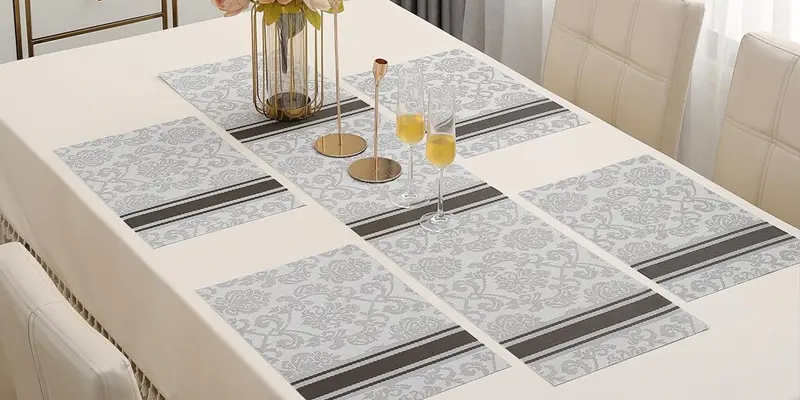
Exploring Silicone Placemats for Modern Hospitality
Essential Properties of Food-Grade Silicone Placemats
Food-grade silicone (platinum-cured, Shore A 50–70 hardness) features non-porous, flexible surfaces repelling liquids instantly. It’s ideal for
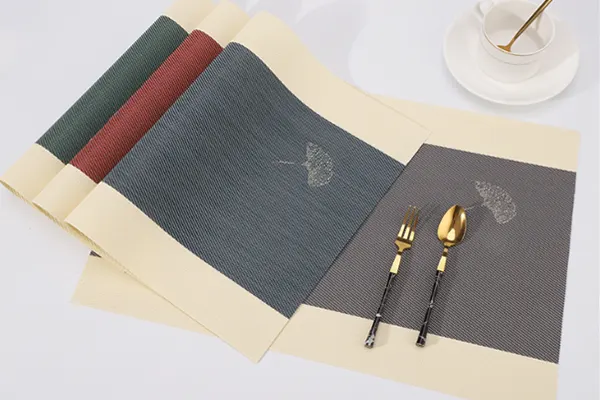
wholesale with embossing, die-cut shapes, PANTONE color matching, and logo imprinting.
For deeper insights, check our guide on
Silicone Placemats Wholesale: Heat Resistance, Safety Features & Bulk Customization Guide for Restaurants, including sample spec sheets and test certificates.
Longevity Advantages Over Traditional Materials
Silicone’s elasticity (ASTM D412 elongation >300%) prevents warping at typical max 230°C/446°F continuous use—verify datasheet for short-term peaks. Expect 4–5 years lifespan per manufacturer-verified heat-aging tests, outperforming PVC in hot-plate services.
Procurement note: MOQs 1,000–3,000 units; lead times 6–8 weeks, plus tooling costs ~$500–$1,000 amortized over orders.

Head-to-Head Durability Comparison: PVC vs Silicone Placemats
Testing Methodology for Buyers
Comparisons draw from ASTM standards (D412 tensile, D624 tear, D2240 hardness), Taber Abrasion for wear and plus UV-aging (ASTM G154: hours to 10% color loss) and dishwasher cycles.
| Feature |
PVC Placemats |
Silicone Placemats |
Test Reference |
| Scratch Resistance |
High (rigid; resists abrasion but may crack) |
Moderate (flexible; superficial marks) |
Taber Abrasion (ASTM D4060) |
| Tear Strength |
Excellent edges (10–15 N/mm) |
Superior flexibility (>20 N/mm) |
ASTM D624 |
| UV Fading |
Visible fade in 12–24 months without stabilizers |
Minimal (<5% loss after 1,000 hours) |
ASTM G154 |
| Tensile Strength |
15–25 MPa |
8–12 MPa (higher elongation) |
ASTM D412 |
PVC excels for stacked
bulk buyers; silicone in dynamic, flexible use.
For
waterproof placemats in steamy kitchens, request heat-cycling tests (dimensional stability post-100 cycles). If plates exceed 140°F, mandate certification—see
Waterproof Placemats Material Comparison: Which One Best Protects Tables in Busy Dining Environments?.
Checklist: Provide vendors real-world temps; require ISO 10993 biocompatibility if direct contact.
Cost Analysis for Bulk Buyers in 2026
Upfront Pricing and Volume Discounts
| MOQ Tier |
PVC (per unit) |
Silicone (per unit) |
Discounts |
| 1–5k |
$1.00–$1.50 |
$2.50–$3.50 |
– |
| 5–10k |
$0.70–$1.00 |
$2.00–$2.50 |
30% |
| 10k+ |
$0.50–$0.80 |
$1.50–$2.00 |
40–50% |
Negotiate tiered pricing with 30/60-day terms; bundle hybrid orders for 10k thresholds. Factor CIF/FOB and private labeling.
Total Cost of Ownership (TCO) Projections
TCO Formula (3 years, 1,000 units):
TCO = (Unit Cost × Qty) + (Replacements × Unit Cost × Rate) + (Cleaning Labor × Uses) + Disposal
Example: Restaurant, moderate heat.
- PVC: $0.80/unit, 2-yr life (1.5 replacements), $50k labor = $14,400
- Silicone: $2.00/unit, 4-yr life (0.75 replacements), $45k labor (faster clean) = $13,950 (3% savings)
In heat-intensive ops, silicone offsets via 30–50% fewer replacements—calculate your profile.
Cleaning and Maintenance: Efficiency for Restaurants
Daily Protocols
- PVC: Wipe with mild detergent (pH 6–8, <50°C); air-dry. Resists residue.
- Silicone: Rinse or dishwasher (verify 200–500 cycles per cert); non-stick.
Test sanitation via ATP swabs post-clean. Store flat, away from UV; use PPE for disinfectants.
Hygiene: Both meet FDA/LFGB when certified; silicone’s seamless edges reduce bacterial traps (per swab tests).
Which Material Wins for Your Bulk Order in 2026?
Decision Matrix
| Factor |
PVC Wins |
Silicone Wins |
| Budget/Unit Cost |
✓ |
|
| Heat Exposure (>140°F frequent) |
|
✓ |
| Expected Life |
1.5–3 yrs |
4–5 yrs ✓ |
| Dishwasher Use |
Moderate |
High ✓ |
| Flexibility/Custom |
Printed |
Embossed ✓ |
| Green Policy (recyclable) |
|
✓ (LFGB) |
Final Recommendations for PVC vs Silicone Placemats Procurement
Audit heat/turnover, then use this
7-Point Supplier Checklist:
- Material datasheet with FDA 21 CFR / LFGB food-contact cert.
- Lab reports: ASTM tensile/tear/UV, Taber abrasion, heat-aging.
- Dishwasher-cycle results (200+), cleaning protocols.
- MOQ tiers, lead times, price breaks (10k+).
- Sample program: color/logo approvals, defect thresholds.
- Warranty for defects/fading.
- COA, RoHS/REACH declarations.
Phased Plan: Order hybrid pilot (500–2k units), test 4 weeks (wear/sanitation), scale. Request samples: 3 units (printed/unprinted), datasheet, lab report, lead time.